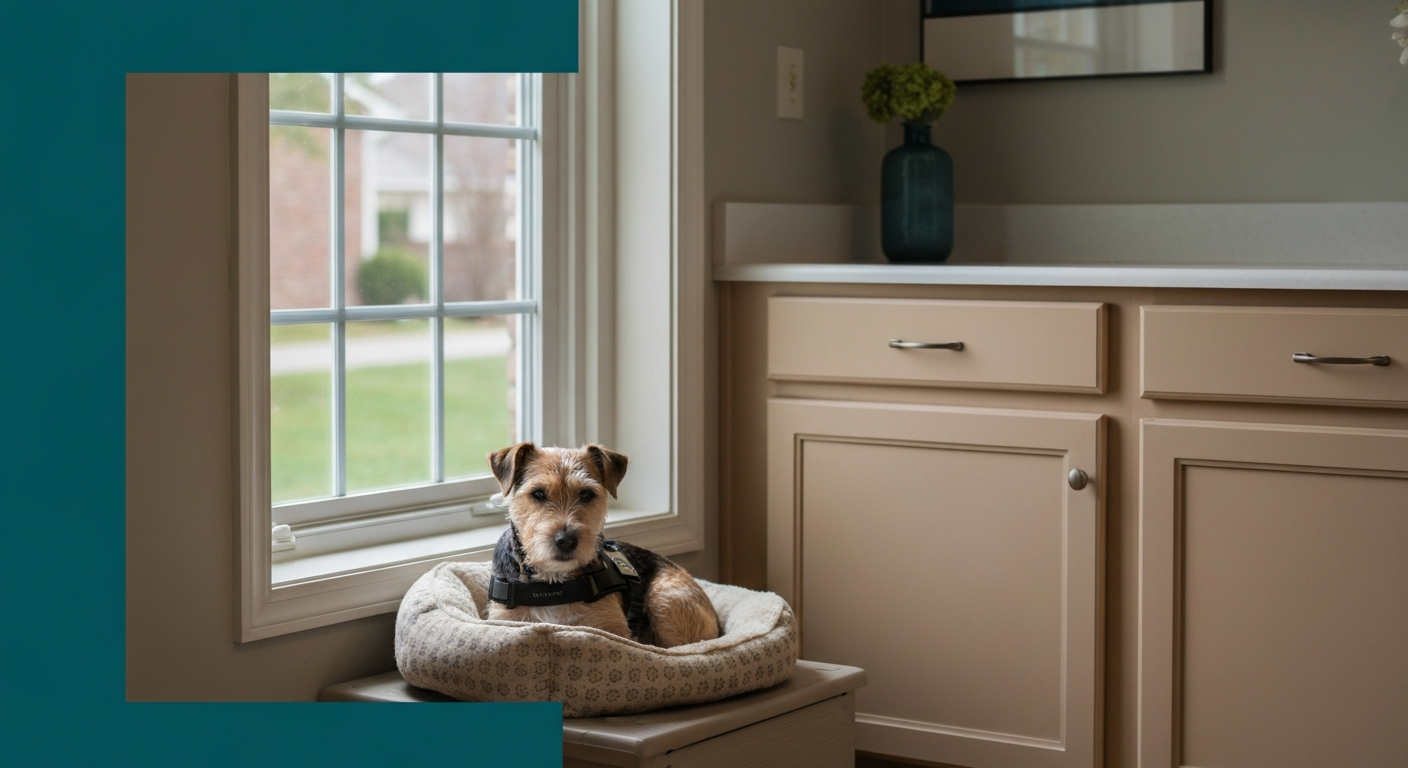
Best Emotional Support Animals for Indiana Apartments — A Clinician-Vetted Lineup
Finding the right emotional support animal for an Indiana apartment is not simply a matter of picking your favorite pet. It is a clinician-guided decision that sits at the intersection of therapeutic fit, practical living space, and the legal protections afforded by the Fair Housing Act (FHA). Whether you live in a Broad Ripple walk-up, a Fort Wayne high-rise, or a Bloomington garden-style complex, the same federal framework applies: under HUD's FHEO-2020-01 guidance and the FHA's reasonable-accommodation provisions, a landlord must consider a request to keep an emotional support animal — including species that a standard pet policy would otherwise prohibit — provided that request is supported by a valid ESA letter issued by a licensed mental health professional (LMHP) licensed in Indiana.
What makes this article different from the generic lists you will find elsewhere is its clinical grounding. Rather than ranking animals by cuteness or popularity, we have structured this lineup around therapeutic utility, apartment suitability, neighbor considerations, and the practical realities of Indiana rental housing. Each entry is paired with a clear takeaway so you can bring an informed perspective to your conversation with a licensed clinician — who will ultimately determine whether an ESA is therapeutically appropriate for your individual situation.
Important Disclaimer: This article is informational only and does not constitute medical, mental-health, or legal advice. No content here should be interpreted as a diagnosis or a recommendation that you require an emotional support animal. Please consult an Indiana-licensed mental health professional to discuss whether an ESA may be appropriate for you, and consult an Indiana-licensed attorney or your local legal aid office for any landlord disputes involving FHA accommodations.
Understanding the Legal Foundation Before You Choose
Before we dive into species and breeds, a brief orientation to the legal landscape is essential — because in Indiana apartment housing, the letter matters as much as the animal. The FHA, as interpreted through HUD's FHEO-2020-01 notice, requires housing providers with four or more units (and certain other covered housing) to provide reasonable accommodations for tenants with disabilities, which may include waiving a no-pet policy or a pet deposit for a documented emotional support animal. Indiana does not currently have a separate state-level ESA housing statute that supersedes the federal floor, so HUD's guidance is your primary authority.
Critically, a valid ESA letter must come from a licensed mental health professional who holds an active Indiana license — an LCSW, LMHC, LMFT, psychologist, psychiatrist, or, where clinically appropriate, a licensed primary-care provider. Online registries, ESA ID cards, and national ESA databases carry no legal weight. HUD has explicitly confirmed that these services do not confer legitimate accommodation rights. An Indiana landlord who receives a letter from an unlicensed source or a registry certificate has every right to disregard it. For a comprehensive overview of your housing rights and what a proper letter must contain, see our detailed guide: Indiana ESA Housing Letter & FHA Protections.
With that foundation in place, here is the clinician-vetted lineup of emotional support animals that tend to be well-suited to Indiana apartment life — along with the honest nuances each species brings.
The Clinician-Vetted Lineup
1. Dogs — The Gold Standard of Emotional Support
It will surprise no one that dogs lead this list. Decades of peer-reviewed research support the role of human-canine bonding in reducing symptoms associated with anxiety, depression, PTSD, and a range of other mental health conditions. For many Indiana residents, the daily rhythms of caring for a dog — structured walks along the Monon Trail, consistent feeding schedules, and the unmistakable greeting at the end of a hard day — provide the kind of routine and unconditional connection that a licensed clinician may determine to be genuinely therapeutic.
For apartment living specifically, breed and temperament selection matters enormously. Smaller to medium-sized breeds with lower exercise demands and calmer dispositions tend to adapt best to shared walls and limited square footage. Think Cavalier King Charles Spaniels, French Bulldogs, Shih Tzus, or well-socialized mixed breeds with documented gentle temperaments. That said, the FHA does not permit landlords to impose breed restrictions on documented ESA dogs the way they might for pets — though they may exclude an animal that poses a direct threat to the health or safety of others. A landlord's blanket "no Pit Bulls" policy, for instance, does not automatically apply to a Pit Bull-type dog that is a legitimate emotional support animal, though individual behavior history may still be assessed.
Basic training is not legally required for an ESA dog the way it is for a service animal, but it is strongly encouraged both for your own quality of life and to head off any legitimate complaints from neighbors or management. A well-mannered ESA is also far easier for a licensed clinician to advocate for in a landlord dispute. Explore breed-specific guidance and apartment compatibility in our full resource: ESA Dogs in Indiana — Best Breeds for Apartments.
Practical Takeaway: Dogs offer broad therapeutic value and strong FHA protections, but select a temperament suited to shared living and invest in foundational obedience work early. Discuss breed and size with your clinician during your evaluation.
2. Cats — Quiet Companions Built for Apartment Life
Cats are arguably the most apartment-friendly emotional support animal on this list. Their self-contained nature, low noise footprint, and modest space requirements make them an excellent fit for Indiana renters living in densely populated buildings where noise complaints and limited outdoor access are real constraints. For individuals whose mental health needs center on anxiety reduction, sensory comfort, or the calming physiological effects of purring — which some research associates with reduced cortisol levels — a cat may be precisely what a licensed clinician recommends after a thorough assessment.
Cats also tend to be lower-demand companions than dogs, which can be therapeutically significant for people managing conditions that affect energy levels or motivation. The relatively simple care routine — litter box maintenance, feeding, and enrichment play — can provide structure without feeling overwhelming. Certain breeds, such as Ragdolls, Scottish Folds, and American Shorthairs, are particularly known for their gentle, even temperaments and adaptability to quieter indoor environments. Rescues with calm, socialized personalities can be equally well-suited.
One practical note for Indiana renters: even though your ESA cat is protected under the FHA and a landlord cannot charge a standard pet deposit for a documented ESA, you remain responsible for any actual damage the animal causes to the unit. This is a routine responsibility of pet ownership and does not diminish your accommodation rights. For a deeper look at living with a feline ESA in Indiana, visit: ESA Cats in Indiana — Quiet Companions for Apartment Living.
Practical Takeaway: Cats are a low-disruption, high-comfort ESA option ideally suited to Indiana apartment environments. Their calming presence and independence make them particularly relevant for anxiety- and mood-related mental health needs.
3. Rabbits — Surprisingly Therapeutic and Apartment-Ready
Rabbits occupy an underappreciated corner of the emotional support animal landscape, and for good reason: they are quiet, hypoallergenic for many people, and remarkably affectionate when properly socialized. For Indiana apartment dwellers who may not have the space, energy, or lease flexibility for a larger animal, a well-cared-for rabbit can provide genuine therapeutic benefit — tactile comfort, routine, and a living presence that meaningfully reduces feelings of isolation or emotional numbness.
From a housing-law perspective, rabbits are fully eligible for FHA reasonable-accommodation protection under HUD's FHEO-2020-01 guidance. The notice makes clear that the analysis applies to animals generally, not just dogs and cats. A licensed Indiana LMHP can assess whether a rabbit is an appropriate therapeutic choice for a given client and issue a compliant ESA letter accordingly. Because rabbits are uncommon ESA species, the quality and specificity of the supporting letter become especially important — a well-articulated clinical rationale from an Indiana-licensed clinician carries far more weight than a generic template from an online registry.
On the practical side, rabbits require a clean, appropriately sized enclosure, daily exercise time outside the cage, and a hay-based diet. They are largely odorless when their space is maintained properly, and their near-silence makes them ideal neighbors in shared-wall buildings. For a comprehensive look at rabbits as ESAs in Indiana, including what your clinician will consider, see: Rabbits as Emotional Support Animals in Indiana.
Practical Takeaway: Rabbits are a clinically legitimate, apartment-friendly ESA option that many Indiana landlords may not expect — which makes a well-written licensed clinician's letter especially important to have in hand before making your accommodation request.
4. Guinea Pigs — Low-Profile Companions with Real Therapeutic Value
Guinea pigs may not command the immediate recognition of dogs or cats, but they have earned a consistent place in animal-assisted therapy settings — particularly for individuals managing social anxiety, sensory processing differences, or conditions that make high-stimulation interaction feel overwhelming. Their gentle vocalizations (soft purring, quiet wheeks), their predictable rhythms, and the simple act of handling a small warm animal can be grounding in ways that a licensed clinician may find clinically meaningful for specific clients.
For Indiana apartment living, guinea pigs present an exceptionally low-disruption profile. They are quiet enough that neighbors in adjoining units are unlikely to ever know they are there. Their enclosure can be maintained within a modest footprint, and their social nature means they thrive in bonded pairs — an arrangement that requires slightly more space but can actually reduce the burden on a single owner to provide all of the animal's social stimulation. Many Indiana renters who would otherwise be unable to accommodate a larger ESA find guinea pigs to be a viable and genuinely therapeutic alternative.
As with rabbits, the key to a successful FHA accommodation request for a guinea pig lies in the quality of the clinical letter. A licensed Indiana LMHP who has conducted a genuine evaluation and can articulate the specific therapeutic role the animal plays in managing a documented mental health condition is far better positioned to support your housing request than any online certificate could ever be. Always verify that your clinician holds an active Indiana license before proceeding.
Practical Takeaway: Guinea pigs are an excellent apartment-scale ESA for individuals who benefit from low-stimulation, tactile companionship. Their quiet nature and small footprint make them one of the most neighbor-friendly options on this list.
5. Birds — Social, Stimulating, and Legally Recognized
For individuals whose therapeutic needs include cognitive engagement, verbal interaction, and a sense of lively connection in an otherwise quiet living space, certain bird species can be remarkable emotional support companions. Parakeets, cockatiels, and small conures, in particular, are known for their social responsiveness, their capacity for learned interaction, and the subtle but real sense of responsibility and routine that caring for them provides. For individuals managing depression or isolation, the consistent, animated presence of a bird can serve a genuine therapeutic function — something a licensed clinician will assess as part of a comprehensive evaluation.
It is important to match the species carefully to both the therapeutic need and the apartment context. Some larger parrots, while extraordinarily intelligent and bonding animals, can produce noise levels that create legitimate neighbor conflict in shared-wall Indiana apartments. A licensed clinician and a knowledgeable bird specialist can help identify species whose vocal patterns are manageable in a multi-unit setting. Budgerigars and cockatiels, for example, produce pleasant, relatively soft sounds that most apartment communities can accommodate comfortably.
From a legal standpoint, birds are fully covered under FHA reasonable-accommodation provisions when supported by a valid ESA letter from an Indiana-licensed LMHP. A landlord may not summarily reject a bird ESA request simply because their standard pet policy excludes exotic pets — they are required to engage in the interactive process HUD's FHEO-2020-01 notice describes, weighing the tenant's disability-related need against any legitimate management concerns.
Practical Takeaway: Birds can be highly effective ESAs for individuals who need social stimulation and routine engagement. Select a species whose noise level is appropriate for your building, and ensure your Indiana-licensed clinician documents the specific therapeutic rationale clearly.
6. Miniature Pigs — Unconventional but Legally Viable
Miniature pigs — sometimes called teacup pigs or micro pigs, though these are marketing terms rather than recognized breeds — represent one of the more unconventional entries on this list, but they are a legitimate consideration for Indiana renters under the right circumstances. Pigs are highly intelligent animals that form strong bonds with their owners, respond to positive reinforcement training, and can provide meaningful therapeutic companionship for individuals whose licensed clinician determines that a non-traditional ESA better meets their specific needs. Some clients simply do not connect therapeutically with dogs or cats, and HUD's guidance does not limit ESA protections to common domestic pets.
The practical considerations for apartment living are significant and should be discussed honestly. Even genuinely miniature pigs typically reach 50–150 pounds at adult weight — well above the size implied by early marketing. They require space to move, rooting enrichment, and a carefully managed diet to prevent obesity-related health problems. They also have distinct behavioral needs that, if unmet, can lead to destructive or disruptive behavior. A landlord who receives an ESA request for a pig is entitled to assess whether the specific animal poses a direct threat or would cause substantial physical damage to the property — a higher bar to clear than with more commonly recognized ESA species.
If a miniature pig genuinely represents the best therapeutic fit for a client, an Indiana-licensed clinician can make that case compellingly in a well-written ESA letter. But honest consultation with that clinician about the animal's full-grown size, behavioral needs, and the realistic demands of apartment keeping is essential before proceeding with an accommodation request. Transparency protects both the tenant and the therapeutic relationship.
Practical Takeaway: Miniature pigs are legally viable ESA candidates under the FHA, but require thorough clinician consultation and honest self-assessment about apartment suitability. The quality of the supporting letter and the individual animal's manageability will carry significant weight.
7. Ferrets — Niche but Notable for the Right Tenant
Ferrets occupy a narrow but legitimate niche in the ESA landscape. For individuals who have a pre-existing bond with ferrets and whose licensed clinician determines that this bond serves a genuine therapeutic function, FHA protections apply in the same way they do for any other species. Ferrets are curious, playful, and capable of forming surprisingly strong attachments to their owners — characteristics that can provide the kind of consistent, responsive companionship that supports emotional regulation and reduces symptoms of loneliness or anxiety in some individuals.
From an apartment practicality standpoint, ferrets are small, relatively quiet, and can be housed in an appropriately sized cage when not supervised. Their exercise needs are modest by dog standards — a few hours of supervised play outside the cage each day is typically sufficient. The primary management challenge is odor: ferrets have scent glands that, even in neutered animals, produce a distinctive musky smell that requires diligent cage cleaning and ventilation management. In a smaller Indiana apartment unit, this is a genuine consideration that any responsible tenant should plan for proactively.
One important legal note: a small number of Indiana municipalities have historically had exotic pet ordinances that may affect ferret ownership. While such local ordinances do not override FHA reasonable-accommodation obligations for documented ESAs in most interpretations, the interplay between local law and federal housing protections is complex. For that reason, Indiana renters considering a ferret ESA should consult an Indiana-licensed attorney alongside their mental health clinician before making a housing accommodation request.
Practical Takeaway: Ferrets can be meaningful ESA companions for the right individual, but require careful odor management and a consultation with an Indiana-licensed attorney to navigate any applicable local ordinances before pursuing an FHA accommodation.
A Note on ESA Training: Why It Matters Even When It Is Not Required
Unlike service animals under the Americans with Disabilities Act, emotional support animals are not required to have specialized training. The FHA's reasonable-accommodation framework focuses on the tenant's disability-related need and the nexus between that need and the animal — not on the animal's obedience credentials. That said, a well-trained ESA is a more effective ESA, a better neighbor, and a far easier case to make to a skeptical landlord. Our guide on ESA Training Basics in Indiana outlines the foundational skills that benefit any species, along with Indiana-based resources for working with a qualified trainer.
Investing in basic manners training — even for cats, rabbits, or birds — signals to housing management that you are a responsible tenant who takes your accommodation request seriously. It also protects your animal from situations that could result in a landlord claiming a "direct threat" or "substantial damage" exception to their FHA obligations. The combination of a proper Indiana-licensed clinician's letter, a well-behaved ESA, and a thorough understanding of your housing rights creates the strongest possible foundation for a smooth accommodation process.
How to Get a Legitimate Indiana ESA Letter
Every species on this list depends on a single non-negotiable foundation: a valid ESA letter from a licensed mental health professional who holds an active Indiana license and who has conducted a genuine clinical evaluation of your individual needs. This is not a formality — it is the legal and ethical core of the entire accommodation process.
A legitimate Indiana ESA letter will identify the clinician by name, license type, and Indiana license number; reference your mental health condition in general terms sufficient to establish disability status under the FHA; explain the nexus between that condition and your need for an emotional support animal; and be signed and dated on the clinician's professional letterhead. It will not come from an online registry, a database, or a $40 certificate website. HUD has explicitly confirmed that such documents do not satisfy the reasonable-accommodation documentation standard.
For a complete walkthrough of what a compliant Indiana ESA letter must contain, how the FHA accommodation request process works, and what to do if a landlord improperly denies your request, see our authoritative guide: Indiana ESA Housing Letter & FHA Protections. For landlord disputes that escalate beyond negotiation, consult an Indiana-licensed attorney or contact Indiana Legal Services for assistance with FHA enforcement.
Choosing the Right ESA for Your Life and Your Space
The best emotional support animal for an Indiana apartment is not determined by a listicle — it is determined through an honest, individualized conversation with a licensed Indiana clinician who understands both your mental health needs and the realities of your living situation. What this lineup provides is a framework: an honest look at which animals tend to be therapeutically effective, apartment-compatible, and legally straightforward to advocate for under Indiana's FHA landscape.
Dogs and cats offer the broadest therapeutic research base and the most familiar legal pathway. Rabbits, guinea pigs, and birds provide excellent apartment-scale alternatives for individuals whose needs and lifestyles are better served by smaller, quieter companions. Miniature pigs and ferrets occupy legitimate but more demanding niches that require additional planning, careful clinician consultation, and, in the case of ferrets, a conversation with a local attorney about municipal ordinances.
Across every species, the common thread is this: the therapeutic relationship between you and your animal, documented by an Indiana-licensed clinician in a compliant ESA letter, is what transforms a pet into a legally protected accommodation. Start with the right professional, ask the right questions, and let the clinical evaluation — not a registry, not a certificate, and not a generic online form — guide the process.
Ready to take the next step? Connect with an Indiana-licensed mental health professional who can conduct a proper evaluation and, if clinically appropriate, issue a compliant ESA letter that reflects your individual needs and meets HUD's documentation standards. Your housing rights under the FHA are real — make sure the documentation supporting them is too.
Frequently Asked Questions
Can my Indiana landlord charge a pet deposit for my ESA?
Under the FHA and HUD's FHEO-2020-01 guidance, a landlord may not charge a standard pet deposit or pet fee for a documented emotional support animal. However, you remain responsible for any actual damage the animal causes to the unit. Consult an Indiana-licensed attorney if your landlord imposes unauthorized fees.
Does my ESA letter cover air travel?
No. The U.S. Department of Transportation revised its regulations in 2021, and emotional support animals no longer have legal protections under the Air Carrier Access Act. Airlines now treat ESAs as regular pets, subject to standard pet policies and fees. If psychiatric assistance during travel is a clinical need, a licensed clinician can discuss whether a trained Psychiatric Service Dog (PSD) may be appropriate for your situation.
Can any online service issue a valid Indiana ESA letter?
Only if the clinician conducting the evaluation holds an active license in Indiana and conducts a genuine clinical assessment. Many online platforms connect clients with out-of-state or unlicensed providers, which renders the resulting letter legally insufficient. Always verify your clinician's Indiana license number through the Indiana Professional Licensing Agency before relying on any letter for a housing accommodation request.
Are there Indiana-specific laws that add requirements beyond the FHA?
Indiana does not currently have a standalone ESA housing statute that supersedes federal FHA protections. Federal law as interpreted through HUD's FHEO-2020-01 notice remains the primary authority. However, local municipal ordinances may affect certain exotic species. Consult an Indiana-licensed attorney for guidance specific to your municipality and housing situation.
Ready to start your Indiana ESA letter?
Licensed Indiana clinician review. Compliant with state law.
Get My Indiana ESA Letter